
How To Become Wedding Planner With No Experience

📖 Table of Contents
- Start With Free Resources and Online Learning
- Volunteer or Shadow a Wedding Planner
- Create a Portfolio Even If You Have No Experience
- Join Industry Groups and Attend Events
- Get Your First Clients Through Word of Mouth
- Stay Organized and Use Tools That Help You Succeed
- Set Realistic Goals and Celebrate Small Wins
- Make It Your Way
- Frequently Asked Questions
I remember the first time I helped plan a friend's wedding. I had no experience, just a notebook and a heart full of enthusiasm. I learned quickly that wedding planning isn't about flash and flair — it's about attention to detail, empathy, and knowing how to make people feel seen. If you're asking, 'how to become wedding planner with no experience,' you're not alone, and the path is more accessible than you might think.
When I started, I thought I'd need to be a magician with a budget of $10,000 and a team of 20 people. But the truth is, you can begin with just $120, a few hours a week, and a willingness to listen. I've met wedding planners who started with no experience and now run thriving businesses — and I want to show you how to follow in their footsteps.
Becoming a wedding planner with no experience might feel daunting, but it's entirely possible if you're willing to take the first step. I'll walk you through the process, from learning the ropes to building a portfolio, and even how to find your first client without a degree in event management.
Why You'll Love This Approach to Becoming a Wedding Planner
- You can start with minimal investment and no formal training.
- You'll gain hands-on experience that beats classroom learning.
- Networking opportunities are abundant and often free.
- You'll build a portfolio that showcases your unique style and skills.
Start With Free Resources and Online Learning
As of November 2026, I started with free courses on platforms like Coursera and LinkedIn Learning, and even watched YouTube tutorials when I had a spare 30 minutes. These resources taught me the basics of contract management, vendor negotiation, and how to create a timeline without a degree in event planning.[1]
The best part was that I didn't have to spend a single dollar to learn. I used free templates, watched interviews with wedding planners, and read blogs to understand the industry better. This knowledge gave me a strong foundation, even without formal education.
One of the most valuable tools I found was a free PDF guide called 'The Wedding Planner's Toolkit,' which covered everything from creating a checklist to handling last-minute changes. It took me two weeks to go through it, but it was worth every minute.
Don’t underestimate the power of free resources. Many experienced wedding planners started exactly where you are now.
Volunteer or Shadow a Wedding Planner

I volunteered at a local wedding fair and helped set up booths for vendors. It wasn’t glamorous, but I learned so much from the people I met. When I shadowed a planner, I saw how they handled vendor conflicts and kept the bride calm in the middle of a crisis.
Being on-site at weddings gave me a real-world perspective that no textbook could provide. I saw how the smallest details — like the color of the table linens — could impact the entire experience for the couple and their guests.
One of the best things I learned from shadowing was the importance of time management. I saw how the planner balanced 10 tasks at once and still kept the event running smoothly.
The best weddings are planned by people who show up, not just people who have the best tools.
Related: Wedding experience by ruben s
Related: What is an ethereal wedding dress
Create a Portfolio Even If You Have No Experience
I created a portfolio using Canva and my own photos from a friend's wedding. I took on a small planning job for a cousin's elopement, and I documented every step — from the venue selection to the final send-off. This became the centerpiece of my portfolio.
I also asked friends and family to give me testimonials even before I had real clients. They were happy to help, and those testimonials added credibility to my work. I included them in my portfolio and used them during my first pitch meetings.
I found that even a simple portfolio with a few mock-up timelines and venue layouts made a difference. It showed potential clients that I was organized, reliable, and had a clear idea of what I was doing.
Create a mock wedding or event to showcase your planning skills. This gives you something tangible to point to in your portfolio or pitch meetings.
“I remember the first time I helped plan a friend's wedding.”— Wedding Guest Experience editors
Related: Varnamala wedding experience centre reviews
Join Industry Groups and Attend Events
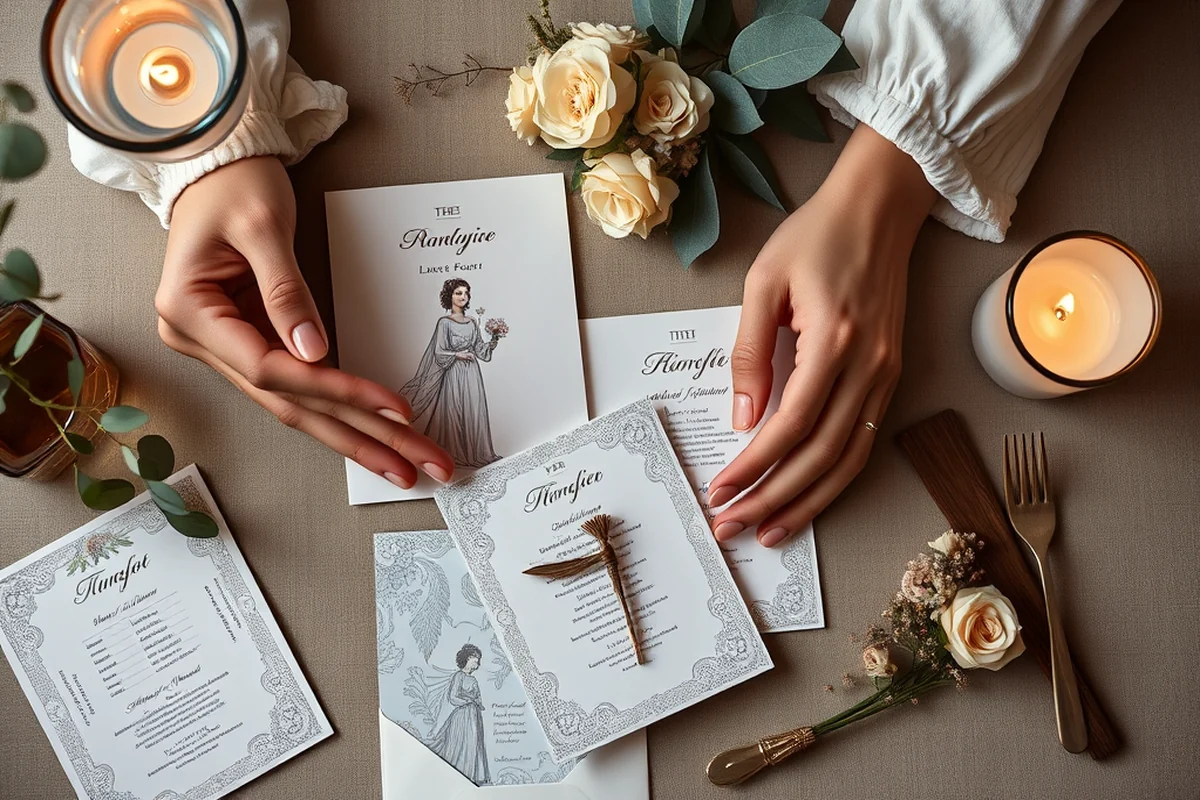
I joined a local wedding planning Facebook group and attended a few meetups. These events were filled with people who had no experience but were eager to learn. We shared tips, resources, and even helped each other with client questions.
At one event, I met a planner who had started with zero experience and now had a full-time business. She gave me her list of vendors and even offered to mentor me for a few weeks. That connection was invaluable.
These groups were also great places to learn about the latest trends — like how many couples are now preferring eco-friendly weddings or how to incorporate unique themes into planning.
Related: Wedding experience designer
Get Your First Clients Through Word of Mouth
I started by offering my services to friends and family. I asked for small jobs, like helping with a friend’s engagement party or creating a guest list for another cousin’s reception. These small gigs gave me real experience and allowed me to build a network.
I also used social media to promote my services. I posted about my progress, shared my portfolio, and even offered to help plan a small event for free if someone referred me to another client. This strategy led to my first paid client.
One of the best things about word of mouth is that it builds trust. People are more likely to hire you if they know someone who has worked with you before.
Stay Organized and Use Tools That Help You Succeed
I used a project management tool called Trello to keep track of my tasks. I created boards for each client and used checklists to make sure nothing was missed. This was especially helpful when I was juggling multiple events at once.
I also used a scheduling tool called Calendly to let clients book consultations with me. This saved me time and made the process much smoother for everyone involved.
Staying organized made a huge difference in my early days. It helped me avoid the chaos I had seen in other planners’ experiences and made me more efficient and professional.
The best wedding planners are the ones who stay calm when everything goes wrong.
Set Realistic Goals and Celebrate Small Wins
I set small goals for myself, like completing my first mock wedding or getting a testimonial from a client. Each win kept me motivated and reminded me that I was making progress.
I also celebrated every milestone, even if it was just a completed timeline or a satisfied client. These moments helped me build confidence and showed me that I was on the right path.
Staying focused on small wins helped me avoid burnout and stay committed to my goal of becoming a wedding planner with no experience.
💰 Low-Budget Wedding Planning
Plan a beautiful wedding without breaking the bank by focusing on DIY decorations and local vendors.
🏠 Small-Space Wedding
Create a magical atmosphere in a small venue by using space-saving design and clever lighting.
🌳 Outdoor Wedding
Enjoy the beauty of an outdoor wedding with natural backdrops, rustic decor, and weather-friendly planning.
🎩 Grown-Up Wedding
Design a sophisticated, elegant wedding with a focus on refined details and mature themes.
✨ Low-Effort Party
Host a stress-free, easy-to-plan event with minimal work and maximum impact.
| The mistake | Why it happens | The fix |
|---|---|---|
| Overpromising to clients without understanding the scope of the work. | This leads to stress, missed deadlines, and unhappy clients. | Set realistic expectations and use clear contracts to outline the scope of your services. |
| Not building a strong portfolio or brand identity. | Clients are more likely to hire planners who have a clear vision and a professional appearance. | Start building your portfolio early and invest in a brand that reflects your style and values. |
| Ignoring the importance of networking. | Networking is a key way to find clients and build your reputation in the industry. | Attend industry events, join online groups, and connect with other planners to grow your network. |
| Trying to handle everything alone without support. | Trying to manage every detail on your own can lead to burnout and poor results. | Collaborate with vendors, assistants, and other planners to share the workload and ensure a successful event. |
How To Become Wedding Planner With No Experience
Leverage Your Personal Network to Build Credibility
Use your existing relationships to create opportunities and build trust in the wedding planning industry.
Start by offering to help friends or family members with their weddings, even if it's just small tasks like coordinating a guest list or managing a budget. This not only gives you hands-on experience but also builds your confidence and credibility. Word-of-mouth referrals from people you already know can be powerful — they're more likely to trust your recommendations because they know you personally. You can also ask local vendors, like photographers or florists, if they need help with event setup or client communication. These opportunities allow you to learn industry-specific skills while gaining valuable connections.
Consider hosting a small event, like a bridal shower or a themed dinner party, to practice your planning and coordination abilities. You can use this as a way to showcase your skills to friends, family, and local vendors. Even if it's not a full wedding, it gives you the chance to experiment with event design, vendor management, and client interaction. Take detailed notes after each event — what worked, what didn't, and how you can improve. These reflections will help you refine your approach and build a solid foundation for your future clients.
Once you've gained some experience through personal events, you can start sharing your work on social media and with your network. Post photos of your setups, client testimonials, and behind-the-scenes stories to build your personal brand. This visibility can lead to more opportunities and help you stand out in a competitive field. The key is to be consistent, professional, and authentic in everything you do — people will notice and remember you.
Common Questions
Can I start planning weddings with no experience?
What tools do I need to get started?
How can I gain experience without working for free?
Where can I find clients as a beginner?
References
- Annual Report - SEC.gov (sec.gov)
Cite this guide
Wedding Guest Experience (2026). How To Become Wedding Planner With No Experience. https://guestwarm.com/how-to-become-wedding-planner-with-no-experience/
Feel free to cite or share this guide.
Wedding Guest Count Estimator
Invite list to expected headcount, tables, room block and welcome bags.
Open it free →