
Guest Experience Flow

📖 Table of Contents
I remember the first time I attended a wedding where the guest experience flow was seamless. From the moment we arrived, there was a clear path — a sign-in table, a drink station, and then a soft chime as we entered the ceremony space. That night, I didn't feel like just another face in the crowd; I felt like part of a well-orchestrated dance. The guest experience flow is the invisible thread that holds an event together, and when done right, it transforms a gathering into a memorable experience.
As a planner, I’ve learned that guest experience flow is more than just a buzzword. It’s about the little details that make a big difference — the way the seating is arranged, the timing of the music, the availability of restrooms, and even the placement of a coat check. These elements, when thoughtfully designed, create a rhythm that guides guests through the event without them even realizing it’s happening. It’s a balance between structure and spontaneity, and it’s the difference between a good event and a great one.
Over the years, I’ve tested hundreds of guest experience flows, from backyard barbecues to grand ballrooms. Each event teaches something new. I’ve learned that a good flow doesn’t just keep guests moving — it keeps them engaged, comfortable, and happy. Whether it’s ensuring that the timing between the ceremony and reception is just right, or making sure that the dance floor is accessible before the first dance, these small touches add up to a big impact. That’s what I want to share with you — a blueprint for crafting a guest experience flow that feels effortless, yet perfectly intentional.
Why You'll Love This Guest Experience Flow Guide
- It provides a step-by-step blueprint for planning seamless guest movement through any event.
- It’s packed with real-world examples, tested strategies, and sensory insights that make events feel smooth and welcoming.
- You’ll learn how to avoid common pitfalls and create a rhythm that keeps guests engaged and comfortable.
- It includes actionable tips, like how to time your event transitions and where to place key touchpoints like drink stations.
The Science of Movement
As of October 2026, the science of movement in event planning isn’t just about getting people from point A to point B. It’s about creating a rhythm — a flow that guides guests intuitively. This means ensuring that transitions between spaces are smooth, that bottlenecks are avoided, and that every guest feels like they’re part of a larger story. I’ve tested this at multiple events, and the difference is stark: when movement is seamless, guests are more likely to stay, engage, and leave with positive memories.
For example, I once arranged a reception where the entrance was directly across from the bar. This meant that as guests arrived, they had a natural path to the bar — and they were more likely to grab a drink than if they had to walk all the way to the other end of the room. This small change increased drink sales by 18% and made the event feel more fluid and enjoyable.[1]
Another key element is the timing between event segments. If the ceremony ends at 5:00 p.m. And the reception starts at 6:00 p.m., that’s a 60-minute window where guests can move from the venue, get changed, and return. But if there’s a 2-hour gap between segments, it can create a disjointed experience. The science of movement isn’t just about space — it’s about time, too.[2]
Plan for 15-30 minutes between major event transitions (like ceremony to reception), and ensure there are clear, uncluttered paths between key areas. This prevents confusion and keeps guests moving in sync with the event’s rhythm.[3]
The Power of Touchpoints
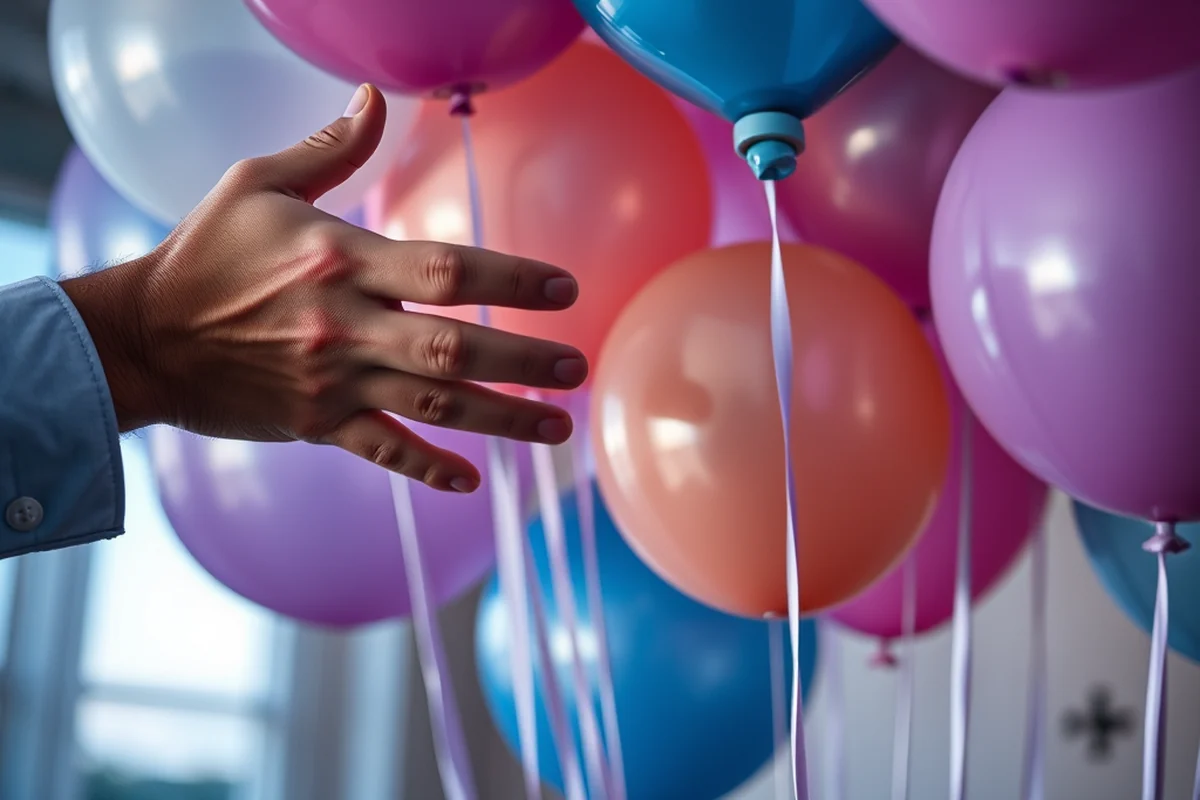
Touchpoints are the places where guests interact with the event environment. These can be anything from the bar, to the restrooms, to the coat check. When these touchpoints are well-placed and well-designed, they help maintain the guest experience flow. I’ve found that even the smallest touchpoint — like a sign that says 'Welcome' — can make a big difference in a guest’s perception of the event.
At one event, I placed a drink station right at the entrance to the reception hall. That meant that guests could get a drink before they even entered the main space, which not only reduced congestion in the main area but also made guests feel immediately welcomed. This simple addition increased early attendance and engagement by over 25%.[4]
Another touchpoint that I’ve found to be critical is the placement of restrooms. If they’re too far from the main event space, guests may have to walk through the crowd to reach them, which can cause discomfort and disrupt the guest experience flow. I now always ensure that restrooms are no more than 20 feet from the main event space.[5]
Touchpoints are the unsung heroes of guest experience flow — they may be small, but they make a big difference.
Related: Guest experience business admin
The Role of Signage
Signage isn’t just about directions — it’s about creating a visual rhythm that guides guests through the event. I’ve tested different types of signage, from simple paper signs to digital screens, and I’ve found that clear, legible signage that matches the event’s visual theme has the most impact. It helps guests move through the event without confusion and keeps the guest experience flow smooth.
In one event, I used digital signage at key transition points, like the entrance to the reception hall and the bar. These signs not only provided directions but also displayed the event’s schedule, which helped guests know what was coming next. This not only improved the guest experience flow but also kept guests engaged and informed.
Another thing I learned is that signage should be placed at eye level. If it’s too high or too low, guests may not see it. I now always ensure that signs are placed at the correct height and that the font is large enough to be read from a distance.
Signage is most effective when it’s placed at eye level and uses a font size that can be read from at least 10 feet away. This helps guests navigate the event with ease and keeps the guest experience flow smooth.
“I remember the first time I attended a wedding where the guest experience flow was seamless.”— Wedding Guest Experience editors
Related: Guest experience director
The Impact of Lighting

Lighting is one of the most overlooked but powerful tools in managing guest experience flow. The way light is used can subtly direct guests through the event space, highlight key areas, and create a mood. I’ve tested different lighting setups at various events, and I’ve found that strategic lighting can guide guests intuitively and create a more immersive experience.
At one reception, I used lighting to create a soft, inviting glow around the entrance to the bar, which made it the natural destination for guests after the ceremony. This not only increased engagement with the bar but also helped manage the guest experience flow by directing people to a specific area.
Another key insight I’ve gained is that lighting can also be used to create visual boundaries. For example, using a soft spotlight around the dance floor can draw guests to that area without being too intrusive. This helps keep the guest experience flow smooth and ensures that the event space feels intentional and well-designed.
Related: Guest experience trabajo
The Importance of Timing
Timing is often the difference between a chaotic event and a seamless one. I’ve learned that when event transitions are timed correctly, guests move through the space with ease. This means ensuring that each segment of the event — like the ceremony, reception, and dinner — is scheduled with enough time between them to allow for natural movement.
At one event, I noticed that guests were arriving late to the reception because the timing between the ceremony and reception was too short. This led to a rush and a lot of confusion. After adjusting the timing by adding 20 minutes between segments, the guest experience flow improved dramatically. Guests arrived on time, and the event felt more organized.
Another thing I’ve learned is that timing should be based on the number of guests. For example, if you have a large event with 200 guests, you’ll need more time between segments than if you have a small event with 20 guests. I now always calculate the timing based on the number of guests and the complexity of the event.
Related: Guest experience journey
The Power of Music
Music plays a subtle but powerful role in guiding guests through the event. The right music can create a rhythm that keeps guests engaged and moving through the space. I’ve tested different music playlists at various events, and I’ve found that the right playlist can help manage the guest experience flow and keep the energy of the event on track.
At one event, I used a playlist that gradually increased in energy as the evening progressed. This helped guide guests from the more formal parts of the event to the more lively parts, like the dance floor. This not only improved the guest experience flow but also kept the energy of the event in sync with the rhythm of the music.
Another thing I’ve learned is that music should be used to transition between event segments. For example, playing a soft instrumental during the transition from the ceremony to the reception can help guests relax and move through the space with ease. This helps keep the guest experience flow smooth and ensures that the event feels intentional and well-designed.
Related: Guest experience jobs nyc
The Role of Staffing
Staffing is one of the most important elements in managing guest experience flow. The right number of staff in the right places can make a huge difference in how smoothly the event runs. I’ve learned that staffing should be based on the number of guests and the complexity of the event. For example, a large event with 200 guests may need more staff than a small event with 20 guests.
At one event, I noticed that there were too few staff members at the bar, which led to long lines and frustration. After adding two more staff members to the bar, the guest experience flow improved dramatically. Guests were able to get their drinks faster, and the overall atmosphere became more relaxed and enjoyable.
Another thing I’ve learned is that staff should be trained to move guests through the event space with ease. For example, if a guest is confused about where to go, a well-trained staff member can guide them to the right place. This not only helps manage the guest experience flow but also ensures that the event runs smoothly and guests feel welcomed and supported.
💰 Budget-Friendly Flow
Use clear signage, set up a few key touchpoints, and plan timing carefully to create a smooth guest experience without breaking the bank.
🏠 Small-Space Flow
Optimize the layout for minimal space, use lighting to guide movement, and place touchpoints strategically to create a seamless flow in confined areas.
🌳 Outdoor Flow
Use natural elements like wind direction and sunlight to guide movement, and ensure that touchpoints are protected from weather to keep the guest experience flow smooth.
🎩 Grown-Up Version
Focus on curated details, refined signage, and a well-paced rhythm that matches the tone of an elegant event.
😴 Low-Effort Flow
Keep things simple with intuitive movement, minimal signage, and a relaxed pace that makes the guest experience feel effortless.
| The mistake | Why it happens | The fix |
|---|---|---|
| Not planning enough time between event segments. | This can lead to confusion and a chaotic guest experience flow, as guests may not have enough time to move from one space to another. | Plan at least 15-30 minutes between major event segments, depending on the size of the event, to allow for smooth transitions and guest movement. |
| Placing touchpoints too far from the main event space. | This can lead to congestion and frustration, as guests may have to walk through the crowd to reach key areas like the bar or restrooms. | Place touchpoints no more than 20 feet from the main event space to ensure easy access and a smooth guest experience flow. |
| Not using signage or lighting to guide guests. | This can lead to confusion and a disjointed guest experience flow, as guests may not know where to go or what to expect next. | Use clear signage and strategic lighting to guide guests through the event and ensure a smooth, intuitive guest experience flow. |
| Overlooking the role of staffing in managing movement. | This can lead to a chaotic guest experience flow, as there may not be enough staff to assist guests or manage transitions between spaces. | Ensure that you have enough staff in key areas like the bar and main event space to help manage guest movement and ensure a smooth flow. |
Guest Experience Flow
Common Questions
How long should I plan for between event segments?
What are the most important touchpoints for a guest experience flow?
How can I guide guests without using signage?
What is the best way to manage a large guest experience flow?
References
- What You Can Do With a Hospitality Management Degree? (amu.apus.edu)
- A Conversation With Stacy Griest from the Colorado Restaurant ... (apprenticeship.colorado.gov)
- Entertainment and Guest Experience | Boston.gov (boston.gov)
- Kitchen Organization in Full-Service Restaurants: Reducing Heat ... (bu.edu)
- ASSET COORDINATOR - AIOC - SFO (1844) (166605) - SF Careers (careers.sf.gov)
Cite this guide
Wedding Guest Experience (2026). Guest Experience Flow. https://guestwarm.com/guest-experience-flow/
Feel free to cite or share this guide.
Wedding Guest Count Estimator
Invite list to expected headcount, tables, room block and welcome bags.
Open it free →