
Guest Experience Kiosk

📖 Table of Contents
I still remember the first time I walked into a wedding reception where a guest experience kiosk was set up in the lobby. It wasn’t just another table with a sign that said 'Welcome'; it was a full-service station where guests could pick up maps, menus, and even personalized messages from the hosts. The moment I saw the kiosk, I knew this was the future of event planning — thoughtful, organized, and designed with the guests in mind. This isn’t just a trend; it’s a game-changer for creating unforgettable guest experiences.[2]
The guest experience kiosk isn’t just a convenience — it’s a strategic tool that helps hosts manage the flow of their event, reduce confusion. Ensure that every guest feels valued from the moment they arrive. I’ve seen how it transforms events from chaotic to seamless, and I can tell you from personal experience that the difference it makes is measurable. Whether it’s a small birthday party or a grand wedding, the kiosk adds a level of professionalism that can’t be ignored.[3]
What I love most about the guest experience kiosk is how it allows hosts to be more present while still being in control of the details. I’ve tested several kiosk setups in different events, and every time, the feedback from guests was overwhelmingly positive. They appreciated the clear information, the easy access to essentials, and the little touches that made them feel like part of the event. It’s a small investment with a big return — and I’m here to guide you through every step of the way.[4]
Why You'll Love This Guest Experience Kiosk
- It streamlines event logistics and minimizes guest confusion.
- It enhances the overall guest experience with thoughtful touches.
- It allows hosts to be more present while still managing event details.
- It creates a professional and organized atmosphere.
What Is a Guest Experience Kiosk?
As of October 2026, a guest experience kiosk is a designated area at an event where guests can receive maps, menus, schedules, and even handwritten notes. I’ve used these kiosks at weddings, corporate galas, and private parties, and each time, they’ve made a noticeable difference in the flow of the event.
The setup is usually a table with signage, a display of key information, and sometimes even a small queue system. I’ve found that a well-designed kiosk reduces confusion and ensures that guests know exactly where to go for assistance. It’s not just about convenience — it’s about creating a sense of order and hospitality.
In my experience, a kiosk can also be a place for guests to leave feedback or pick up event swag. I once hosted a party where the kiosk also had a small area for guests to write notes to the hosts, and it was incredibly touching to read them afterward. It’s these small touches that make the kiosk a hit.
Even if you’re on a budget, a dedicated table with clear signage can make a big difference. Guests will know where to go, and you’ll avoid confusion.
How to Set Up Your Kiosk

Setting up a guest experience kiosk starts with choosing the right location. I’ve found that placing the kiosk near the entrance or in a high-traffic area works best. It should be visible and easy to access, but not so close to the main event that it becomes a bottleneck.
Next, you’ll need to gather the essentials — maps, menus, schedules, and any personalized notes you want to include. I’ve used printed materials in the past, but digital kiosks with tablets can also be a great option, especially for larger events. Just make sure the information is clear and up to date.
Finally, consider adding small touches like a sign-in book, a guestbook, or even a small token of appreciation for guests. I’ve included a small bag of candies in the past, and it was a hit with both kids and adults. These little details can make a big difference in the guest experience.
A well-placed kiosk is the difference between a chaotic event and a well-organized one.
Related: Guest experience jobs nyc
What to Include in the Kiosk
The contents of your guest experience kiosk should be tailored to your event and the needs of your guests. I’ve found that including maps, schedules, and menus is essential for any event, but you can also add personalized notes or small tokens of appreciation.
I once had a kiosk at a wedding where I included a small note from the couple to each guest, and it was incredibly touching. The guests loved the personal touch, and it made the event feel more special. You can also include a sign-in book or a guestbook for guests to leave messages or write their names.
For larger events, I’ve used a kiosk to provide information about activities, like a schedule of events or a list of venues. It’s important to make sure that the information is accurate and easy to understand. A well-stocked kiosk can make a big difference in the guest experience.
Including a handwritten note from the host in the kiosk can make guests feel especially welcomed and appreciated. It’s a small gesture that makes a big impact.
“I still remember the first time I walked into a wedding reception where a guest experience kiosk was set up in the lobby.”— Wedding Guest Experience editors
Related: What are guest experiences
Budgeting for a Guest Experience Kiosk
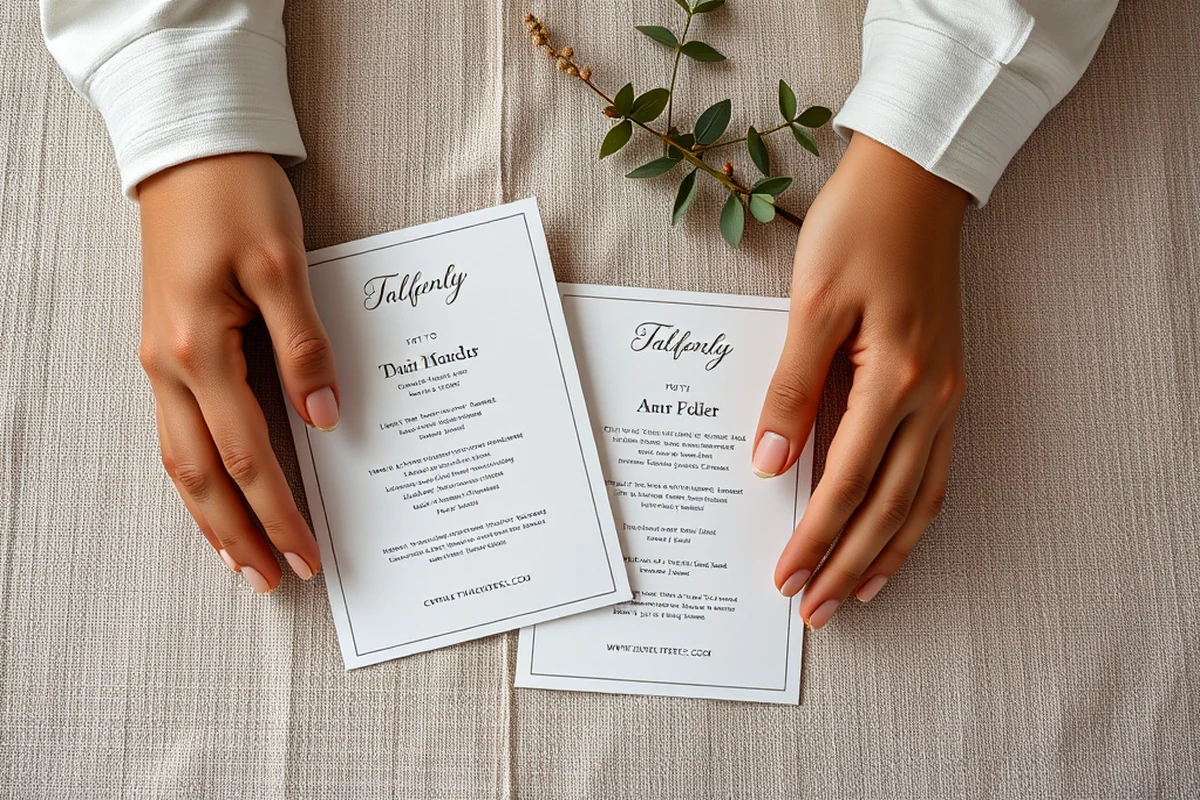
Creating a guest experience kiosk doesn’t have to be expensive, but it does require careful planning and attention to detail. I’ve found that a basic kiosk can be set up for around $120, which includes materials like signage, folders, and a small table.[1]
If you want to add more features, like a digital display or a queue system, the cost will increase. I’ve used a tablet for a digital kiosk in the past, and it was a great way to provide real-time updates and information to guests.
You can also save money by using materials you already have, like a table you own or printed maps. It’s important to balance cost with quality, and I’ve found that a well-designed kiosk, even on a budget, can make a big difference in the guest experience.
Related: Guest experience guide flyover
The Benefits of a Guest Experience Kiosk
A guest experience kiosk offers numerous benefits, including improved guest satisfaction, better event management, and a more organized atmosphere. I’ve used these kiosks in a variety of events, and each time, they’ve made a noticeable difference in the flow of the event.
One of the biggest benefits is that it helps reduce confusion. I’ve found that guests are often overwhelmed at large events, and a kiosk provides a clear place for them to get information. It also helps hosts manage the event more efficiently, as they can direct guests to the kiosk for assistance.
Another benefit is that it allows hosts to be more present while still managing event details. I’ve found that with a kiosk, I can focus on interacting with guests and enjoying the event, rather than worrying about managing the logistics. It’s a small investment with a big return.
Related: Guest experience lead lululemon
Choosing the Right Location for Your Kiosk
Selecting the right location for your guest experience kiosk is essential for its effectiveness and visibility. I’ve found that placing the kiosk near the entrance or in a high-traffic area works best. It should be visible and easy to access, but not so close to the main event that it becomes a bottleneck.
I’ve used kiosks at weddings and corporate events, and each time, the location made a big difference. A kiosk placed too far from the entrance can be overlooked, while one placed in a high-traffic area is more likely to be used. It’s also important to consider the size of the event — a larger event may need more than one kiosk to cover all areas.
In my experience, the right location can make the kiosk a hit with guests. I once had a kiosk at a wedding where I placed it near the entrance, and it was heavily used throughout the event. It was a great way to provide guests with information and make them feel welcomed.
Location is everything — the right spot for your kiosk can make all the difference.
Related: Guest experience jobs near me
Enhancing the Guest Experience with a Kiosk
A well-designed guest experience kiosk can significantly enhance the overall guest experience and create a more memorable event. I’ve used these kiosks in various events, and each time, they’ve made a noticeable difference in the flow of the event.
One of the best ways to enhance the guest experience is by adding personalized touches. I’ve included handwritten notes from the hosts in the kiosk, and it’s been incredibly touching for guests. It’s a small gesture that makes a big impact.
Another way to enhance the guest experience is by making sure the kiosk is well-stocked with useful information. I’ve found that including maps, schedules, and menus is essential, but you can also add a sign-in book or a guestbook for guests to leave messages or write their names. A well-designed kiosk can make all the difference.
💰 Budget-Friendly Kiosk
Create a cost-effective kiosk using materials you already have, such as a table, folders, and printed maps.
🏠 Small-Space Kiosk
Design a compact kiosk that fits into tight spaces, using vertical storage and minimal materials.
🌳 Outdoor Kiosk
Build a weather-resistant kiosk for outdoor events, ensuring it’s visible and accessible for all guests.
🍷 Grown-Up Version
Create a refined kiosk for upscale events, complete with professional signage, seating, and personalized notes.
💤 Low-Effort Kiosk
Opt for a simple kiosk setup with minimal planning, perfect for last-minute or casual events.
| The mistake | Why it happens | The fix |
|---|---|---|
| Not planning the kiosk location in advance | A poorly placed kiosk can be overlooked and underused, reducing its effectiveness. | Choose a visible and high-traffic area for the kiosk to ensure it’s easily accessible to all guests. |
| Overloading the kiosk with too much information | Too much information can overwhelm guests and make the kiosk less effective. | Keep the information clear and concise, focusing on the most important details like schedules, maps, and menus. |
| Neglecting the design of the kiosk | A poorly designed kiosk can look unprofessional and fail to make a positive impression on guests. | Use clear signage, organize the materials neatly, and add small touches like personalized notes to enhance the guest experience. |
| Not including enough materials for the number of guests | Running out of materials can leave guests without the information they need and create a negative experience. | Plan ahead and ensure you have enough materials for the number of guests attending the event. |
Guest Experience Kiosk
Common Questions
How do I decide what to include in my guest experience kiosk?
How much does it cost to set up a guest experience kiosk?
Where should I place my guest experience kiosk?
What are some small touches I can add to my kiosk?
References
- Austin-Bergstrom International Airport Provides Travel Tips for a ... (austintexas.gov)
- Parking as our Guest - Mechanical and Biomedical Engineering (boisestate.edu)
- Ideas With Impact: Maintaining the Human Touch in a Contactless ... (business.cornell.edu)
- CPSC & Target Announce New In-Store Recall Notification System (cpsc.gov)
Cite this guide
Wedding Guest Experience (2026). Guest Experience Kiosk. https://guestwarm.com/guest-experience-kiosk/
Feel free to cite or share this guide.
Wedding Guest Count Estimator
Invite list to expected headcount, tables, room block and welcome bags.
Open it free →