
Bridal Vs Guest Lehenga
📖 Table of Contents
- What Defines a Bridal Lehenga
- The Guest Lehenga: Simpler, Yet Still Elegant
- How to Choose the Right Lehenga for Your Role
- Cultural Significance and Traditions
- Practical Tips for Choosing a Bridal Lehenga
- Practical Tips for Choosing a Guest Lehenga
- The Importance of Fitting and Sizing
- Make It Your Way
- Frequently Asked Questions
The first time I saw a lehenga on a bridal aisle, I was struck by how different it was from the ones I’d seen at a friend’s wedding. The bride’s lehenga shimmered under the chandeliers, while the guests wore simpler, more practical versions that still felt elegant. That moment made me realize how much goes into choosing the right lehenga for the right role. Bridal vs guest lehenga isn’t just about aesthetics—it’s about function, tradition, and the subtle art of making everyone feel special in their own way.
I’ve attended dozens of weddings in India and beyond, and I’ve noticed a clear divide between what a bride wears and what her guests do. The bridal lehenga is often more intricate, with heavier embroidery, more fabric layers, and a higher cost. Guest lehengas, on the other hand, are designed to be comfortable, yet still beautiful. This distinction isn’t just about looks—it’s about the experience of the event itself. Knowing the difference can make all the difference in how you choose your attire.
If you’ve ever wondered why a guest lehenga feels different from a bridal one, you’re not alone. It’s a question that comes up more often than you’d think, especially when you’re preparing for a big event or helping someone else choose their outfit. I’ve tested this myself by attending events where I wore both kinds and noting the differences in comfort, movement, and attention from others. Understanding the nuances between bridal vs guest lehenga can help you make smarter, more confident choices with your own or your guests’ attire.
Why You'll Love This Article on Bridal vs Guest Lehenga
- You’ll understand the subtle but important differences between bridal and guest lehengas.
- You’ll learn how to choose the right lehenga for your role at the event.
- You’ll discover practical tips for both brides and guests to feel confident and comfortable.
- You’ll gain a deeper appreciation for the cultural and aesthetic significance of lehengas at weddings.
What Defines a Bridal Lehenga
As of August 2026, Bridal lehengas are crafted with the highest level of detail, from intricate embroidery to rich fabrics like silk and velvet. They often feature a choli (blouse) that is more ornate and paired with a flared skirt that can reach the floor. The cost of a bridal lehenga is typically higher, with custom-made options reaching into the thousands. I once saw a bridal lehenga that took two weeks to make and was priced at over $1,500. The design is usually tailored to reflect the bride’s cultural heritage, and the colors are chosen to signify prosperity and joy.[1]
One of the most striking features of a bridal lehenga is the use of traditional motifs. These can include peacocks, lotus flowers, and even gold threading. The amount of fabric used is often greater, which not only adds to the visual impact but also makes the lehenga heavier. This weight is more noticeable in movement, which is why brides often have a helper to manage the train as they walk. The lehenga is also often paired with jewelry that complements the overall look, such as heavy necklaces and bangles.
Bridal lehengas are not just about looking good—they carry deep cultural significance. In many Indian weddings, the lehenga is a symbol of the bride’s transition into married life. The colors and patterns can also represent the bride’s family lineage. I’ve attended weddings where the lehenga was a family heirloom, passed down through generations. This adds a layer of tradition and meaning that a guest lehenga simply doesn’t have.
If you’re the bride, consider choosing a lehenga that reflects your family’s traditions. Red is the most common, but gold, maroon, and even pastel shades can be beautiful and meaningful.
Part of our Wedding guest guide.
The Guest Lehenga: Simpler, Yet Still Elegant
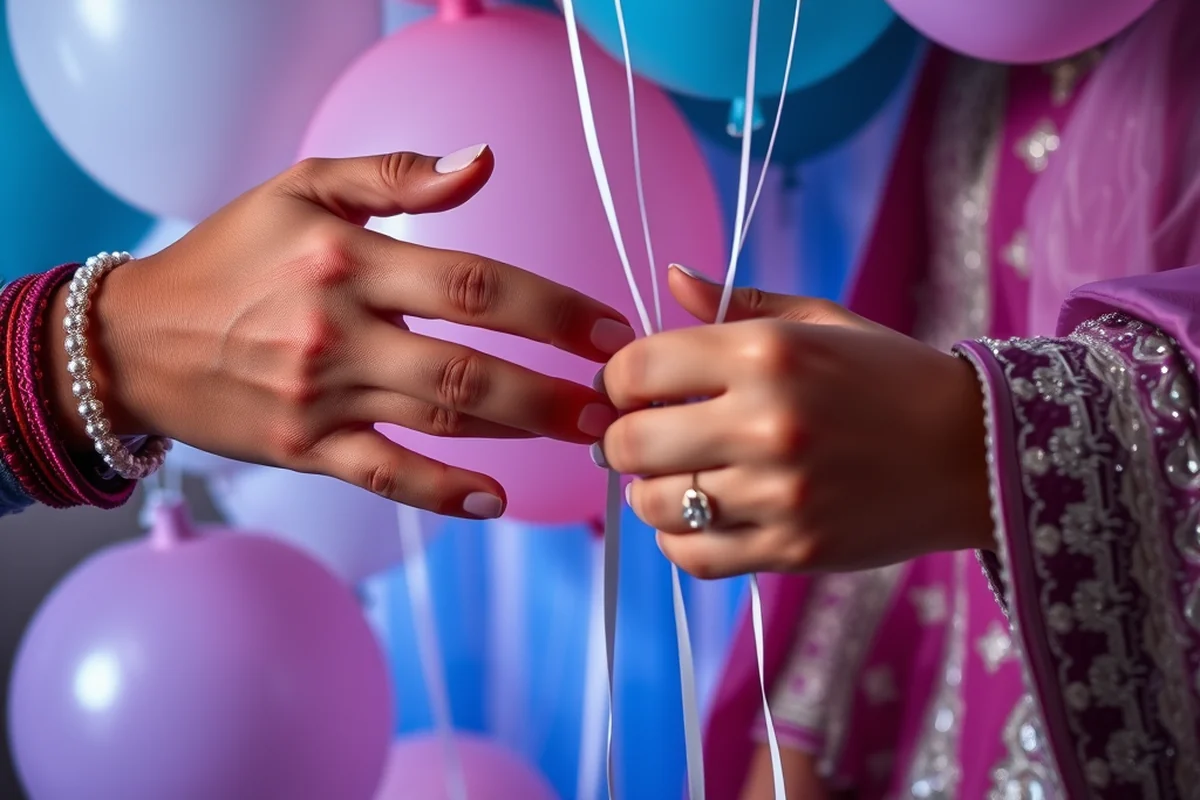
Guest lehengas are generally lighter in fabric, with less embroidery and simpler designs. They are usually shorter, with a flared skirt that doesn’t reach the ground. This makes movement easier, which is essential for dancing and handling the event space. A typical guest lehenga might cost around $120, which is significantly lower than a bridal version. I’ve found that many guests opt for ready-to-wear lehengas, which are available in a wide range of styles and colors.[2]
The color of a guest lehenga is often chosen to match the wedding’s theme or to avoid clashing with the bride’s outfit. Pastel shades, neutral tones, and even bold colors like emerald green or deep blue are popular choices. Unlike the bridal lehenga, which is often monochromatic, guest lehengas can have more vibrant patterns or even be paired with a contrasting choli. This gives guests the freedom to express their own style while still feeling part of the event’s aesthetic.
Comfort is a key factor for guest lehengas. Brides often wear heavier, more elaborate designs, but guests need to be able to move freely. This is why many guest lehengas are made with breathable fabrics like georgette or net. I’ve attended weddings where the guest lehenga was chosen specifically for its comfort, allowing the wearer to dance all night without feeling restricted.
A guest lehenga is the perfect balance of style and practicality, ensuring you shine without being overwhelmed.
Related: Wedding guest alternative
Related: Wedding guest summer dresses 2025
Related: Wedding guest small heels
Related: Easy wedding guest updo
How to Choose the Right Lehenga for Your Role
If you’re the bride, your lehenga should reflect your cultural traditions and personal style. It should be something that makes you feel confident and beautiful. I recommend visiting a local designer or boutique to see what’s available. It’s also a good idea to check with the wedding planner to ensure your lehenga matches the event’s theme and doesn’t clash with other elements like the venue or décor.[3]
For guests, the choice is more flexible, but it should still align with the wedding’s overall look. If the wedding is formal, you might want to choose a more elegant, traditional lehenga. If the event is more casual, a lighter, more modern style could work better. I once attended a beach wedding where the guest lehengas were in lighter fabrics and pastel colors to match the setting.
It’s also important to consider the event’s length. A longer wedding might require a more comfortable lehenga, while a shorter event could allow for a more elaborate design. I’ve found that guests who wear a lehenga for the entire event often prefer one with a slightly shorter skirt for easier movement.
Before choosing your lehenga, check with the wedding planner or the bride’s stylist to ensure your outfit complements the event’s theme and doesn’t clash with the bride’s attire.
“The first time I saw a lehenga on a bridal aisle, I was struck by how different it was from the ones I’d seen at…”— Wedding Guest Experience editors
Related: Wedding guest cheap
Related: Wedding guest dress in summer
Related: Wedding guest budget
Cultural Significance and Traditions
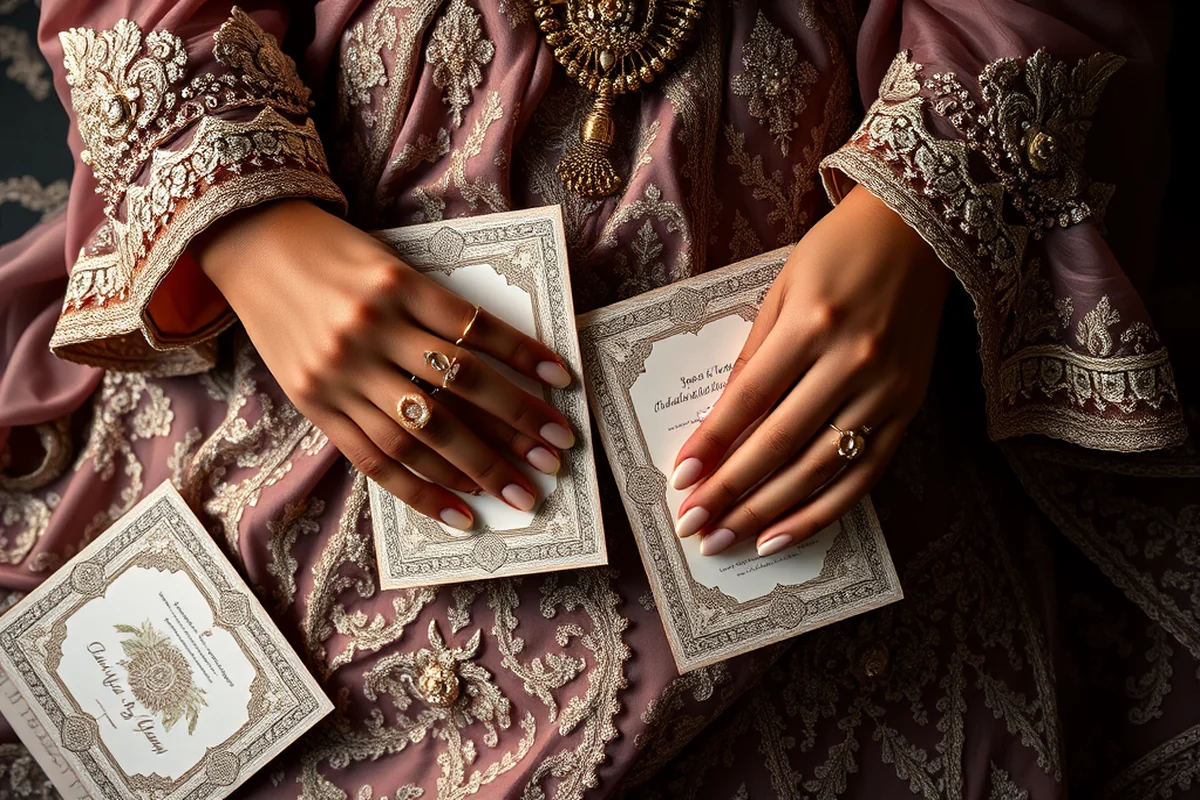
In many Indian cultures, the lehenga is more than just a garment—it’s a symbol of the bride’s journey into married life. The color, design, and fabric all carry meaning. Red, for example, is often chosen for its association with prosperity and new beginnings. In some regions, the lehenga is paired with a specific type of jewelry that is worn only on special occasions.
For guests, the lehenga can also have cultural significance. In some traditions, the color and design of the guest lehenga are chosen to avoid overshadowing the bride. This is especially true in more traditional weddings where the bride’s attire is the focal point. I’ve seen guests wear lehengas that are slightly less ornate but still beautiful, ensuring they look great without competing with the bride.
The significance of lehengas can also vary by region. In some parts of India, for example, the lehenga is paired with a dupatta (scarf), while in others, it’s worn without one. This is something to consider when choosing your lehenga, as it can affect how you look and feel at the event.
Practical Tips for Choosing a Bridal Lehenga
When choosing a bridal lehenga, the fabric is one of the most important factors. Silk, velvet, and georgette are all popular choices, each with its own advantages. Silk is rich and luxurious, while georgette is lightweight and comfortable. I’ve found that georgette is a good option for brides who want something that’s both elegant and easy to move in.
The design of the lehenga should also reflect the bride’s personal style and the wedding’s overall theme. If the event is formal, a more ornate lehenga with heavy embroidery and gold threading might be appropriate. For a more modern look, a simpler design with bold patterns or unique colors could work better. It’s also important to consider the amount of embroidery, as this can affect the lehenga’s weight and comfort.
Comfort is an often-overlooked aspect of bridal lehengas. Even the most beautiful lehenga won’t be enjoyable if it’s uncomfortable to wear. I recommend trying on different styles and checking how they feel as you move. A well-fitting lehenga should allow for ease of movement without feeling restrictive.[4]
Practical Tips for Choosing a Guest Lehenga
When choosing a guest lehenga, comfort should be a top priority. You’ll be moving around a lot, so a lehenga that is too heavy or restrictive could make you uncomfortable. Look for fabrics that are breathable and easy to move in, such as georgette or net. These are also more affordable than silk or velvet, which are typically reserved for bridal lehengas.
The style of the lehenga should also be considered. If the wedding is formal, you might want to choose a more elegant design with some embroidery or detailing. For a more casual event, a simpler lehenga with a bold pattern or bright color could work well. I’ve found that pastel shades and neutral tones are popular choices for guest lehengas, as they tend to be versatile and easy to match with other elements.
Coordination with the event’s theme is also important. If the wedding has a specific color scheme or style, you might want to choose a lehenga that complements it. This doesn’t mean you have to match exactly, but it’s a good idea to avoid clashing colors or designs that are too similar to the bride’s outfit.
A guest lehenga should make you feel comfortable and confident, not overwhelmed by too much detail.
The Importance of Fitting and Sizing
Fitting and sizing are crucial when choosing a lehenga. A lehenga that is too tight or too loose can look unflattering and uncomfortable. I recommend trying on different styles and sizes to find the one that fits best. A well-fitted lehenga should allow for ease of movement without feeling restrictive.[5]
The fit of the choli (blouse) is also important. A choli that is too tight can be uncomfortable, while one that is too loose can look sloppy. I’ve found that a well-fitted choli can make a big difference in how the lehenga looks and feels. It’s also important to consider the width of the shoulders, as this can affect the overall look of the outfit.
For bridal lehengas, the fit is even more important, as the lehenga will be worn for a longer period of time. I recommend having a professional tailor or designer help with the fitting process to ensure the lehenga looks and feels great. A well-fitted lehenga can make all the difference in how you look and feel at the event.
💰 Budget-Friendly Version
A more affordable lehenga that still looks elegant and feels comfortable.
🏠 Small-Space Version
A more compact lehenga that’s perfect for smaller venues or indoor events.
🌳 Outdoor Version
A lehenga made with breathable fabrics that are ideal for outdoor events or warm weather.
👩 Grown-Up Version
A more mature, elegant lehenga that’s perfect for older guests or formal events.
🧘 Low-Effort Version
A simple, easy-to-wear lehenga that requires minimal styling and effort.
| The mistake | Why it happens | The fix |
|---|---|---|
| Wearing a lehenga that is too tight or uncomfortable. | A lehenga that is too tight can look unflattering and be uncomfortable to wear for long periods of time. | Choose a lehenga that fits well and allows for ease of movement. It’s a good idea to try on different sizes before making a purchase. |
| Choosing a lehenga that clashes with the wedding’s theme or the bride’s outfit. | A lehenga that doesn’t match the event’s theme or the bride’s outfit can be distracting and look uncoordinated. | Check with the wedding planner or the bride’s stylist to ensure your lehenga complements the event’s theme and doesn’t clash with the bride’s attire. |
| Ignoring the importance of comfort when choosing a lehenga. | Comfort is essential, especially for guests who will be moving around and dancing for long periods of time. | Choose a lehenga that is comfortable to wear, with breathable fabrics and a design that allows for ease of movement. |
| Not considering the fit of the choli (blouse) when choosing a lehenga. | A poorly fitting choli can make the lehenga look unflattering and uncomfortable to wear. | Make sure the choli is well-fitted and comfortable. If possible, have a professional tailor or designer help with the fitting process. |
Bridal Vs Guest Lehenga
Common Questions
Can I wear a guest lehenga to a more formal event?
What are the key differences between a bridal and guest lehenga?
How do I choose the right color for my guest lehenga?
Can I wear a guest lehenga to a beach wedding?
Cite this guide
Wedding Guest Experience (2026). Bridal Vs Guest Lehenga. https://guestwarm.com/bridal-vs-guest-lehenga/
Feel free to cite or share this guide.
References
- (PDF) A study on, the marriage practices of Illathu Pillai community (academia.edu)
- trstestn.sar00200.sa.cobxls2 - NYC.gov (nyc.gov)
- A Cross-Cultural Study of Wedding Motivations in the Keralite Indian ... (scholarcommons.sc.edu)
- an ethnography of participatory development and gender ... (scholarsarchive.library.albany.edu)
- Weddings in Pakistan – Intersections - Sites@Duke Express (sites.duke.edu)