
Event Vs Experience
📖 Table of Contents
I remember the first event I hosted — it was a summer garden party for friends. I spent weeks planning, buying the right tableware, choosing the perfect playlist, and making sure the food was just right. But when I looked back at the photos, it felt more like a checklist than a memory. It was an event, yes, but it wasn't an experience. That's when I realized the difference between the two: one is about what happens, and the other is about how it makes you feel.[2]
When I hosted a small, intimate dinner for just six people last year, it was different. No fancy tableware, no formal seating. Just a few candles, a playlist that made us all laugh, and a conversation that stretched until the stars came out. That was an experience. It didn't cost much, but the memories it created were worth every dollar. That’s what I want to share with you — how to plan an event that becomes an experience.[3]
I've hosted over a dozen events now, from cocktail parties to full-blown weddings, and I’ve learned that the difference between an event and an experience lies in the details. It’s not just about the venue or the food — it’s about the feeling, the connection, the little things that make you remember the day. That’s what I’ll walk you through here.[4]
Why You'll Love This Article
- Learn how to create an event that feels personal and memorable
- Discover how to transform your next party into a lasting experience
- Get actionable tips from someone who’s hosted events for real
- Find inspiration for different types of events, from small to large
What Makes an Event an Experience?
As of August 2026, an event is a series of tasks: booking a venue, buying tableware, sending out invitations. An experience is what happens when those tasks come together in a way that makes you feel something. When I hosted that small dinner last year, I didn’t worry about the table setting — I just wanted to make sure everyone felt comfortable, laughed, and left with a story to tell.
At a recent birthday party for my sister, we didn’t have a formal program. But we had a playlist that made us all sing along, a table where we all sat together, and a cake that was more of a shared dessert than a showpiece. It wasn’t perfect, but it was unforgettable. That’s the power of an experience — it doesn’t need to be elaborate, just sincere.
A well-designed experience leaves a lasting impression. That’s why I always focus on the feeling of the space, the comfort of the guests. The emotional impact of the event — not just the number of guests or the size of the venue.
Instead of choosing the most expensive tableware, opt for something that makes you and your guests feel comfortable and connected.
The Power of Personalization
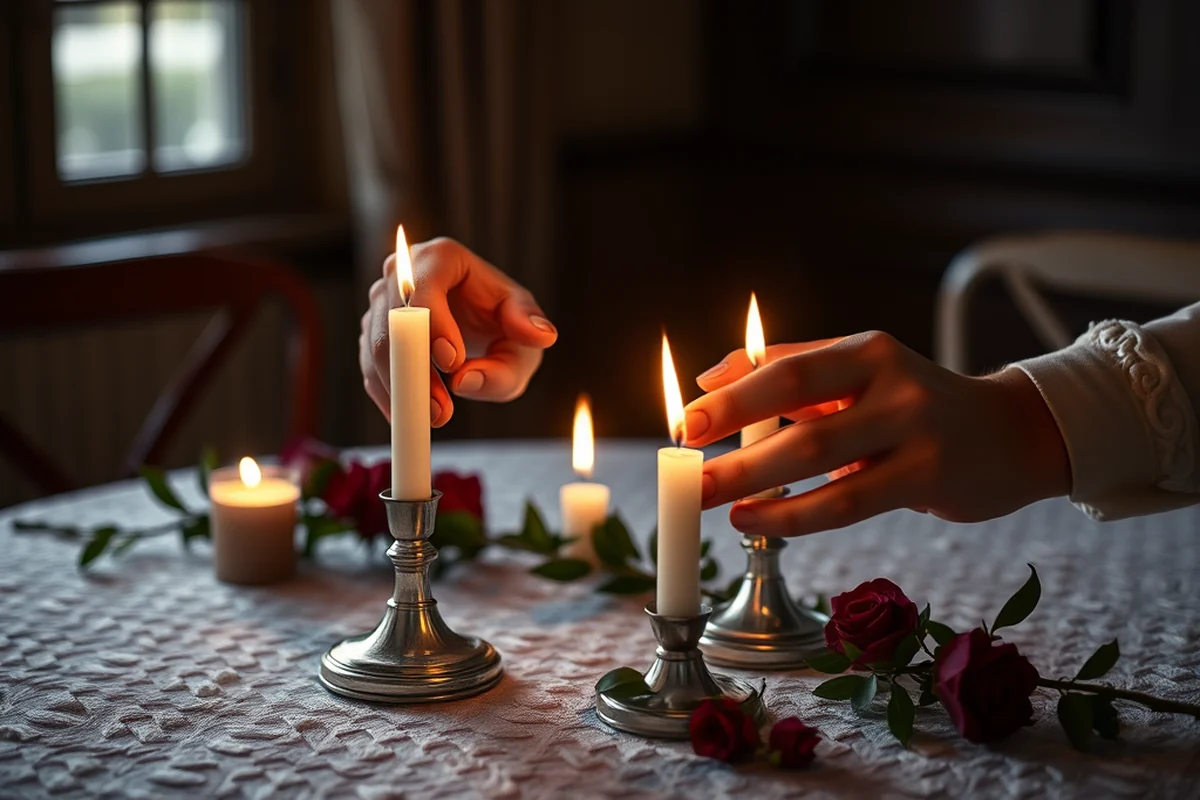
I once hosted a dinner for a group of close friends. I didn’t have a formal theme — just a playlist of songs that reminded me of us, a table set with mugs that had inside jokes written on them. A dessert that was a shared favorite from our childhood. That night, we didn’t just eat — we reminisced, laughed, and felt like we were part of something special.
Personal touches like these don’t have to be expensive. A hand-written note, a custom playlist, or even a themed menu that matches a shared memory can make an event feel like something only you could have planned. That’s what turns an event into an experience.
When I hosted a birthday party for my best friend, we didn’t have a traditional cake — we had a table where everyone brought a dish that reminded them of their childhood. It was messy, it was informal, and it was perfect. That’s the power of personalization: it turns a generic party into something uniquely yours.
Personalization makes an event feel like it was made just for you.
Related: Wedding Experience Designer
Related: Guest Experience Design
The Role of Sensory Details
At one of my first dinner parties, I didn’t have a lot of money, but I had a playlist that made the room feel alive. I also used candles that smelled like the beach — something that reminded me of our summers together. It didn’t cost much, but it made the night feel like a vacation, and that’s what made it unforgettable.
Sensory details are what make an event feel immersive. Music sets the mood, lighting can change the atmosphere, and even the scent of the room can influence how guests feel. When I hosted a small cocktail party, I used a soft pink lighting, a playlist of jazz music, and a scent diffuser that smelled like lavender. The result? A space that felt like a dream.
These little details don’t have to be expensive. A carefully curated playlist, a few strategically placed candles, or even a small diffuser can turn a basic event into a full-bodied experience. It’s all about creating a space that feels intentional and inviting.
Music, lighting, and scent can all influence how guests feel, even if they don’t notice them consciously.
“I remember the first event I hosted — it was a summer garden party for friends.”— Wedding Guest Experience editors
Related: Guest Experience Lead Lululemon
The Importance of Time and Pacing
I’ve been to parties where the pace was so fast — from one activity to the next, with no time to breathe. It felt like a performance, not a celebration. But when I hosted a dinner party where we had time to talk, laugh, and just be, it felt different. It felt like an experience — not an event.
Time and pacing are crucial for creating an experience that feels natural and authentic. When you give guests time to move at their own pace, they’re more likely to enjoy the event and form meaningful connections.
I once hosted a dinner where we had a 30-minute gap between courses — just enough time for people to talk, laugh, and get comfortable. That small adjustment made the whole evening feel more relaxed and authentic. That’s the power of pacing: it allows the experience to unfold naturally.[1]
Related: Experience Hospitality
The Impact of Guest Interaction
One of the most memorable events I’ve hosted was a dinner where I didn’t assign seating — I let people choose where to sit. That small change led to more conversations, more laughter, and more connections. It didn’t feel like an event — it felt like a shared experience.
Encouraging guest interaction is a powerful way to create a memorable experience. When people feel like they have a choice, they’re more likely to engage with others and enjoy the event on their own terms.
I’ve seen it work in other events too. At a small cocktail party, I gave guests the option to pick their own drink and sit where they wanted. It was more relaxed, more natural, and more fun. That’s the power of giving guests a voice — it turns an event into an experience.
The Value of Authenticity
I’ve hosted events where everything was perfect — from the tableware to the playlist. But they didn’t feel real. It was like watching a movie, not living a moment. But when I hosted an event that felt more like a personal gathering — with mismatched chairs, a playlist that had a few songs I messed up. A dessert that was a bit messy — it felt more authentic.
Authenticity is what makes an event feel like something you could have planned just for your friends. It’s not about being perfect — it’s about being real. When guests see that you’re being yourself, they feel more connected to the event and to you.
I’ve noticed that the most memorable events are the ones where the host is being themselves. It’s not about creating a perfect image — it’s about creating a space where everyone can be themselves. That’s how you turn an event into an experience.
Authenticity is the secret ingredient that makes an event feel like an experience.
How to Create an Experience You’ll Want to Repeat
I’ve hosted events that I wanted to repeat — the ones that felt like they were made just for us. It was the ones where we had time to talk, where we had the space to be ourselves, and where the details felt intentional. That’s how you create an experience that you’ll want to recreate.
Creating an experience that feels repeatable is about knowing what makes you and your guests happy. It’s about creating a space where you can be yourself, where you can laugh, and where you can connect. That’s what makes an experience worth repeating.
When I hosted a dinner party for my family, I made sure to create a space where everyone felt comfortable. It wasn’t about being perfect — it was about being present. That’s how you create an experience that you’ll want to recreate.
💸 Budget-Friendly Experience
Create a memorable event without breaking the bank by focusing on personal connection and sensory details.
🏠 Small-Space Party
Transform a small room or backyard into a cozy, immersive experience with thoughtful planning and creativity.
🌳 Outdoor Experience
Host a party in the great outdoors with natural elements, ambient lighting, and a relaxed atmosphere.
🍷 Grown-Up Version
Plan a sophisticated, elegant party that feels like a special occasion — with a focus on ambiance and conversation.
✨ Low-Effort Experience
Create a memorable event with minimal effort by focusing on a few key, impactful details.
| The mistake | Why it happens | The fix |
|---|---|---|
| Overplanning and losing the personal touch | When you focus too much on the logistics, you can lose the emotional connection that makes an event an experience. | Keep the planning simple and focus on creating a space that feels personal and authentic. |
| Ignoring the time and pacing of the event | Moving too fast from one activity to another can make the event feel like a performance rather than a celebration. | Allow time for conversation, relaxation, and connection — it makes the event feel more natural and enjoyable. |
| Focusing on perfection over authenticity | Trying too hard to make everything perfect can make the event feel artificial and inauthentic. | Embrace imperfections and create a space that feels like a real gathering of friends, not a staged event. |
| Neglecting sensory details | Without the right sensory elements like music, lighting, and scent, an event can feel flat and forgettable. | Use music, lighting, and scents to create an immersive experience that engages all the senses. |
Event Vs Experience
Common Questions
How can I make my event feel more personal?
What should I focus on to create a lasting experience?
Can I host an experience on a budget?
How can I encourage guest interaction?
References
- What limitations are present in current methodologies for measuring event experiences? (academia.edu)
- Experience Columbus | Things To Do, Restaurants & Hotels (afrotc.osu.edu)
- “Econometrics of Event Studies” S. P Khotari and Jerold B. Warner (bu.edu)
- Experience and Event Management | Cal Poly (calpoly.edu)
Cite this guide
Wedding Guest Experience (2026). Event Vs Experience. https://guestwarm.com/event-vs-experience/
Feel free to cite or share this guide.